
Best USB Microphones for Podcasting in India (2026)
Best USB microphones for podcasting in India — researched and ranked on audio, pickup, build, and ease. 8 expert picks from ₹2,788 to ₹29,499.
We may earn a commission when you buy through links on this page, at no extra cost to you. We could also earn a fee through some links when you click on them. Learn more
The best USB microphone for podcasting in India is the Shure MV7+ (₹29,499) — a dynamic broadcast mic with switchable USB-C and XLR outputs, onboard DSP and Auto Level Mode that handle setup for you. We researched and compared 8 top options available on Amazon.in, scoring each on audio, pickup, build, ease, value. Every podcaster needs a good pair of headphones to monitor their recordings -- our noise cancelling headphones roundup has options from budget to audiophile grade. And wireless neckband earphones are handy for reviewing edits on the move.
Shure MV7+ Podcast Microphone
A dynamic broadcast mic with switchable USB-C and XLR outputs, onboard DSP and Auto Level Mode that handle setup for you — the highest-scoring pick here for serious podcasters.
At a Glance
Detailed Reviews
Shure MV7+ Podcast Microphone
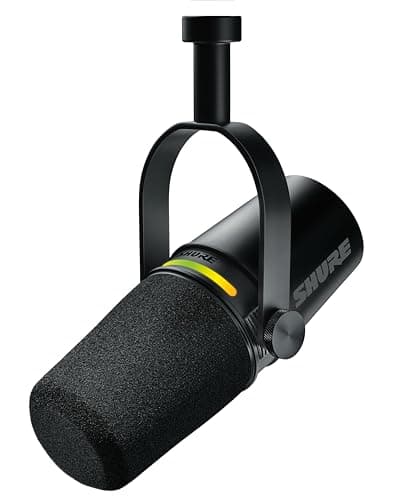
The Shure MV7+ is a dynamic broadcast microphone with both USB-C and XLR outputs, so you can start on USB now and move to an audio interface later without buying a new mic. Onboard DSP, a real-time denoiser and Auto Level Mode take care of setup, while the LED touch panel keeps controls within reach. At ₹29,499 it is the priciest pick here, made for podcasters chasing broadcast-grade voice from an untreated room.
Pros
- +Ultimate broadcast quality
- +dynamic design rejects noise
- +LED touch panel is premium
- +Auto Level simplifies setup
- +dual USB-C/XLR
Cons
- -Very high price
- -requires close mic technique
- -premium features may overwhelm beginners
- -investment-level purchase
Score Breakdown
Buy this if broadcast-grade voice and a USB-to-XLR upgrade path justify the ₹29,499 outlay; casual beginners will find its depth of features more than they need.
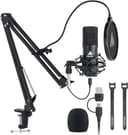
Maono PD200X USB/XLR Dynamic Microphone
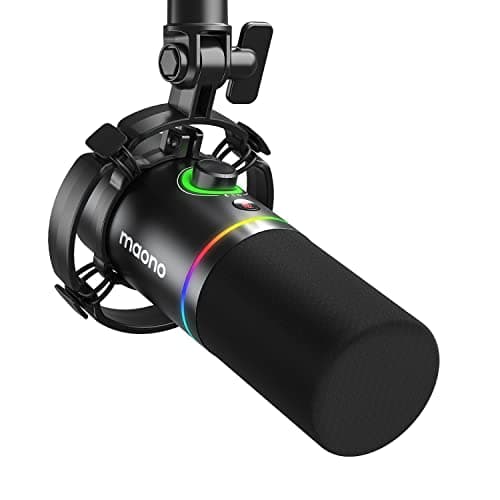
The Maono PD200X packs a dynamic capsule with both USB and XLR outputs into a sub-₹4,000 body, giving you the same interface-upgrade path as far pricier mics. Its cardioid dynamic design rejects background noise well, which helps in untreated rooms, and it records at 24-bit/48kHz with a headphone jack for monitoring. It suits new podcasters who want a hybrid mic without spending big.
Pros
- +Dual USB/XLR for upgrade path
- +dynamic design rejects background noise
- +great for untreated rooms
- +affordable hybrid option
- +RGB touch control is unique
Cons
- -Requires close mic technique
- -less sensitive than condensers
- -RGB may not appeal to professionals
- -basic included accessories
Score Breakdown
A smart choice if you want dynamic noise rejection and a USB-to-XLR path on a tight budget, though the RGB touch lighting and basic bundled accessories skew it toward hobbyists rather than studios.
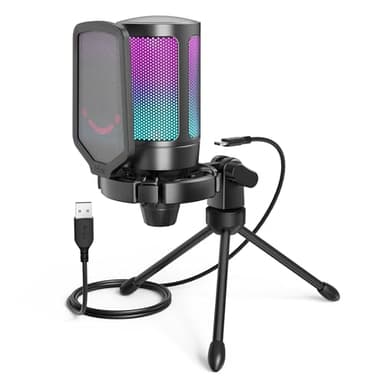
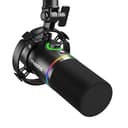
Fifine A6V USB Gaming Microphone
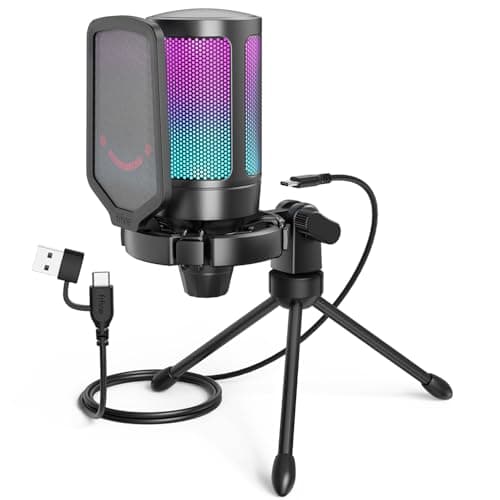
At ₹2,788 the Fifine A6V is the cheapest mic in this lineup, and it still ships with a shock mount, a built-in pop filter and RGB lighting across seven colour modes. It is plug-and-play over USB on PC, PS4 and PS5, with a top-mounted quick-mute button for live moments. This is the pick for first-time podcasters and gamers who want a complete kit for the least money.
Pros
- +Most affordable entry-level option
- +RGB lighting appeals to gamers
- +quick mute is convenient
- +complete kit with shock mount
- +good for beginners
Cons
- -Plastic construction feels budget
- -audio quality not refined
- -RGB may distract in videos
- -no advanced features
- -limited upgrade potential
Score Breakdown
Grab it if the lowest price and a ready-to-use accessory kit are your priorities, but the plastic body and unrefined audio leave little room to grow.
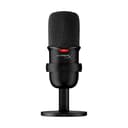
HyperX SoloCast USB Microphone
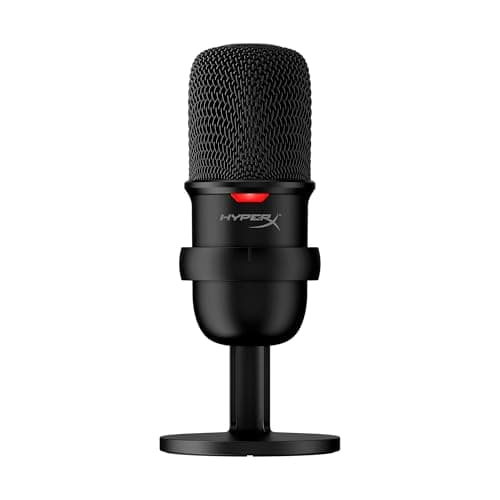
The HyperX SoloCast is a compact cardioid USB mic built for streamers, with a tap-to-mute sensor topped by an LED indicator and certification for Discord and TeamSpeak. It runs plug-and-play across PC, PS4, PS5 and Mac, and its adjustable stand mount keeps the desk footprint small. At ₹4,499 it fits gamers and solo hosts who value a clean, no-fuss setup.
Pros
- +HyperX gaming brand quality
- +tap-to-mute is intuitive
- +clean audio for gaming streams
- +excellent compatibility
- +compact design
Cons
- -No gain control on mic
- -single polar pattern only
- -basic feature set
- -no software control
- -limited to cardioid pickup
Score Breakdown
Worth it for a tidy, well-built cardioid mic that just works across platforms, provided you can live without onboard gain control or any software tweaking.
Audio-Technica AT2020USB+ Condenser Microphone
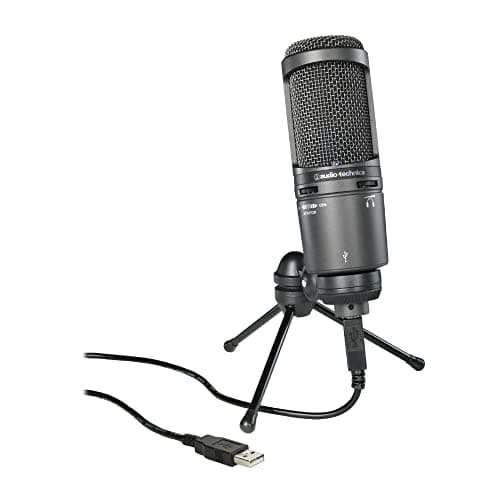
The Audio-Technica AT2020USB+ is a side-address condenser built around a 16mm large-diaphragm capsule, giving voices the natural detail Audio-Technica is known for. It adds a headphone output with volume and a mic/playback mix control, and the metal body feels built to last. At ₹7,999 it suits podcasters and home musicians who want condenser clarity from a trusted name.
Pros
- +Legendary Audio-Technica heritage
- +natural vocal reproduction
- +excellent for music recording
- +durable metal construction
- +trusted professional brand
Cons
- -No mute button
- -16-bit vs 24-bit competitors
- -single polar pattern
- -no shock mount included
- -no software control
Score Breakdown
A dependable pick for detailed condenser sound and solid metal build, but the 16-bit/44.1kHz ceiling and missing mute button put it behind 24-bit rivals.
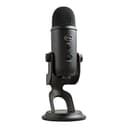
Blue Yeti USB Microphone
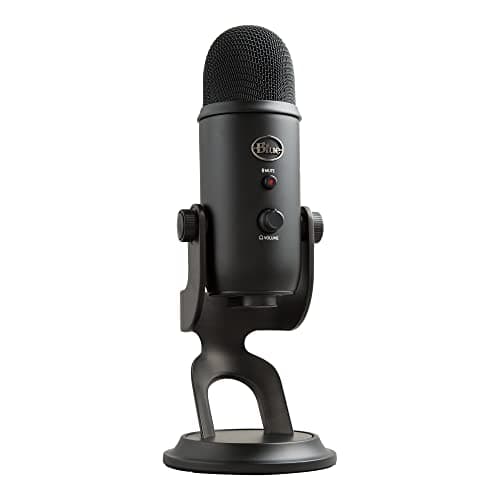
The Blue Yeti earns its place through flexibility, switching between cardioid, stereo, omni and bidirectional patterns so one mic can handle a solo host or a group around a table. It records at 16-bit/48kHz and adds a gain knob, an instant mute and a built-in headphone amp for zero-latency monitoring. It fits podcasters who record multiple people or change formats often.
Pros
- +Four pickup patterns for versatility
- +excellent for multi-person podcasts
- +easy gain control
- +mute button for live situations
- +iconic reliable design
Cons
- -Large and heavy
- -picks up desk vibrations easily
- -16-bit audio (not 24-bit)
- -can be boomy without treatment
- -bulky footprint
Score Breakdown
Choose it when you need four switchable pickup patterns for varied recording setups, just be ready for its bulky, vibration-prone body and 16-bit ceiling.
Rode NT-USB Mini Studio Microphone
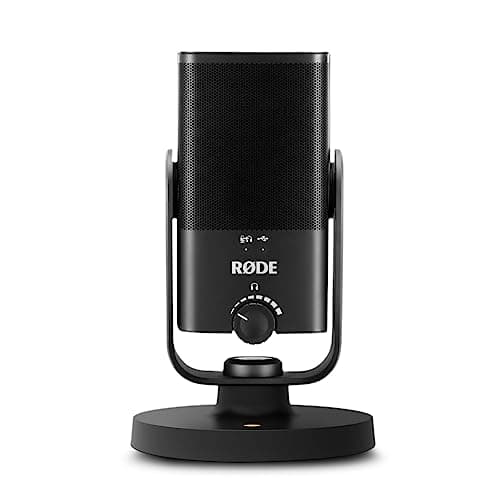
The Rode NT-USB Mini pairs a studio-grade condenser capsule with 24-bit/48kHz recording in a compact, all-metal body that punches above its size. An integrated pop filter and 360-degree swing mount cut clutter, and Rode Connect software lets you chain several units for multi-host shows. At ₹11,199 it appeals to podcasters who want Rode build quality without a full studio rig.
Pros
- +Exceptional all-metal build quality
- +broadcast-quality audio
- +integrated pop filter
- +compact footprint
- +Rode Connect software for multi-mic
Cons
- -Single polar pattern only
- -no gain control on mic
- -higher price point
- -requires proper positioning
Score Breakdown
A strong option if you value all-metal build and 24-bit audio with multi-mic software, as long as the single cardioid pattern and lack of onboard gain aren't dealbreakers.
Elgato Wave:3 Premium USB Microphone
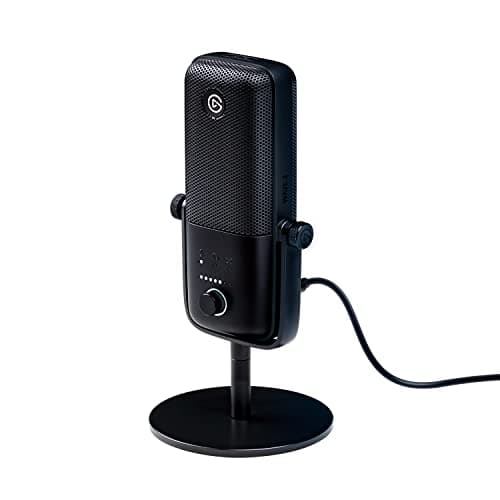
The Elgato Wave:3 is a cardioid condenser aimed at streamers, recording at 24-bit/96kHz with Clipguard technology that tames sudden volume spikes before they distort. Its real draw is Wave Link software, which turns the mic into a digital mixing console for routing multiple audio sources. At ₹12,999 it is the top-priced pick here, built for solo streamers who live inside their PC audio setup.
Pros
- +Best-in-class Wave Link software
- +Clipguard prevents distortion
- +24-bit/96kHz professional quality
- +excellent for streamers
- +compact premium design
Cons
- -Premium pricing
- -plastic construction
- -requires learning Wave Link
- -single polar pattern
- -not ideal for multi-person recording
Score Breakdown
Buy it for the 24-bit/96kHz capture and standout Wave Link mixing if you stream solo, but skip it for group recording and expect a plastic body and a software learning curve.
Comparison Table
| Feature | Shure | Maono | Fifine | HyperX | Audio |
|---|---|---|---|---|---|
| Price | ₹29,499 | ₹3,959 | ₹2,788 | ₹4,499 | ₹7,999 |
| Key Feature 1 | USB-C + XLR hybrid output | USB + XLR dual output | RGB lighting with 7 color modes | Cardioid polar pattern | 16mm large diaphragm condenser |
| Key Feature 2 | Dynamic microphone (broadcast quality) | Dynamic microphone (noise rejection) | Quick mute button on top | Tap-to-mute with LED indicator | Side-address design |
| Key Feature 3 | LED touch panel controls | Cardioid polar pattern | Built-in pop filter | Adjustable stand mount | 16-bit/44.1kHz audio |
How We Research & Rank
| Criterion | Weight | Based On |
|---|---|---|
| Audio | 30 | Voice clarity and warmth in spoken-word recording, frequency response flatness (20Hz-20kHz), self-noise floor levels (sub-20dB target), bit depth and sample rate support (24-bit/96kHz minimum for professional podcasting), and dynamic range for both soft and loud speakers. |
| Pickup | 25 | Cardioid pattern tightness for single-host recording, off-axis rejection of keyboard clicks and mouse noise, background noise suppression in a non-treated Indian home office (AC, fan, street traffic), proximity effect behaviour, and plosive sensitivity without a pop filter. |
| Build | 20 | Chassis material (all-metal vs. plastic), shock mount compatibility, desk stand sturdiness and anti-vibration isolation, USB-C connector durability for daily plug/unplug cycles, and overall weight for boom arm mounting balance. |
| Ease | 15 | True plug-and-play USB setup without drivers on Windows and macOS, onboard gain/volume knob responsiveness, zero-latency headphone monitoring quality, mute button accessibility mid-recording, and compatibility with Audacity, GarageBand, OBS, and Riverside. |
| Value | 10 | Price relative to included accessories (pop filter, boom arm adapter, cable), audio quality per rupee compared to XLR alternatives requiring an interface, warranty coverage, and availability of replacement parts on Amazon.in. |
Audio quality takes the top weight because your microphone is the single most important piece of podcasting gear — listeners will tolerate average video but will abandon a podcast with poor audio in seconds.
Need Help Choosing?
Not sure which one is right for you? Our buying guide breaks down the key factors.
Read the Buying GuideFrequently Asked Questions
Based on our analysis, the Shure MV7+ Podcast Microphone is the best overall pick, scoring highest on audio and pickup.
Focus on audio, pickup, build as the most important factors. Our methodology section above explains each criterion in detail.